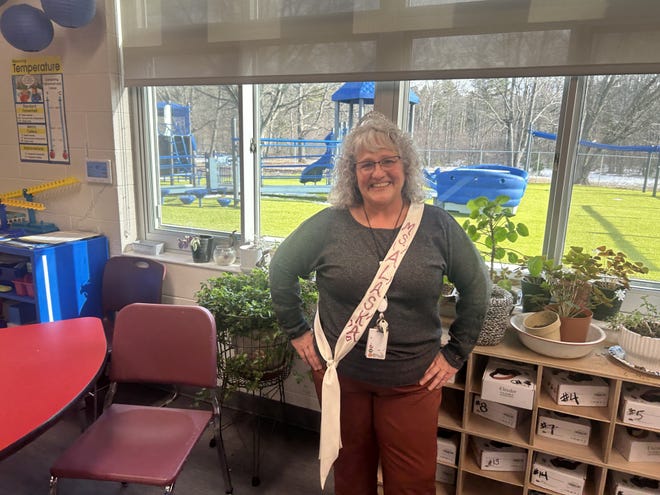
SAULT STE. MARIE — Gwendolyn Malaska wears a lot of hats in the classroom to help her students succeed in life.
A Rudyard native, Malaska has been teaching for 35 years. In that time, she has taught nearly every grade level and many different subjects. For the past few years, she has dedicated herself to teaching special needs students at the newly established Eastern Upper Peninsula Intermediate School District Learning Center.
After graduating from high school in Rudyard, Malaska went to Northern Michigan University where she would eventually earn her masters degree in education.
She taught various grades in Rudyard for seven years after graduating, and then moved to Florida where she continued to teach for almost a decade before returning home to the Upper Peninsula, eventually deciding to focus on students with special needs.
Malaska didn't originally intend on teaching special education, but after so many years, her experience in different kinds of classrooms helped her grow as a teacher; she found it rewarding to help students who needed more specialized education.
"I would say this program is my favorite because it's so hands on," she said. "What I teach is going to impact their livelihood. If I can teach them to cook and plant things and be more self sufficient as adults and not need as much money to do those things — that's huge."
In her current classroom, she teaches dozens of students in all ages groups of high school at the same time. Known to many of her students by the loving nickname Ms. Alaska, Malaska teaches every subject in her class and even takes on many special projects to help the kids learn more about life in general.
Her students regularly take part in work-based learning experiences, including taking field trips to local businesses like banks, animal shelters and restaurants and learning about what they do. Students have also taken part in weather surveys and indoor food planting.
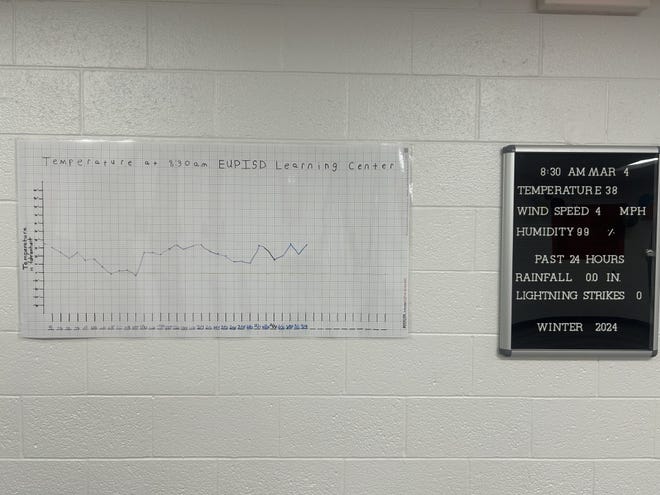
Students will take survey of the local weather every day in class and help put together all the environmental data that goes along with it. The data is sent to the National Oceanic and Atmospheric Administration in Gaylord, where it will be compiled.
The hydroponics system inside the school is actually a self contained garden that the students used to grow lettuce together. After several weeks, the students were able to see the fruits of their labors in person by tasting the lettuce they grew together, and learning more about how to do it themselves in the future.
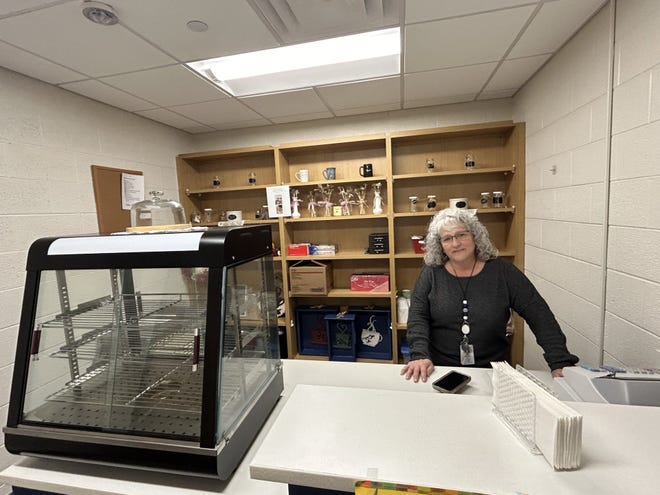
Another program that Malaska is proud of is the internal shop that students can work at during school hours. Malaska put the shop together to help students get experience with average job skills like customer service and handling and counting money.
These kinds of programs help students learn and grow in ways that aren't always possible in school settings. Malaska often tries to help her students learn skills not only included in regular curriculum, but to help them provide for themselves in the future.
Despite already having many programs she runs for her students, she is constantly looking for new ways to help her kids. Recently, she began looking into helping her students with driver education so they might have an easier time with driver's licenses in the future.
Malaska's many experiences in classrooms comes in handy when working with a diverse classroom of different aged students, while also giving her additional insight into the importance of education.
"The best thing we can do is to make sure that they're having positive experiences at the early levels so that they stay interested in school," said Malaska. "I find that if you lose them early on, it's just going to be a harder and harder struggle when they get toward high school."
Because of the nature of her classroom, she will often see the same students for years, and says that one of her favorite parts of the job is being able to see her students grow and succeed year after year.
"The most rewarding part is watching student academic growth. I'll have some kids for five or six years," Malaska said. "I have this one girl in my room right now, she's a junior, and she came to me a complete non reader, and now she's reading at a fifth grade level and that's huge."
— Contact Brendan Wiesner: BWiesner@Sooeveningnews.com